Source Truck Spare Parts Oil Seal for Axles, Engines, and Transmissions
Explore 30 available truck spare parts oil seal options for rear axles, engines, and transmissions. Compare specifications like NBR material and composite lips, check customization availability, and review pricing from suppliers in China to find the right fit for your fleet maintenance needs.
Key considerations
Products List


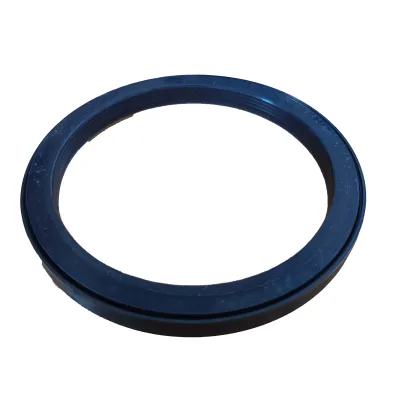


Comprehensive Sourcing Guide
Truck Spare Parts Oil Seal Sourcing Guide
Procuring truck spare parts oil seals requires a disciplined approach to ensure vehicle reliability and operational continuity. These critical components prevent fluid leakage and protect sensitive drivetrain elements from contamination, making their selection vital for fleet maintenance strategies. Buyers must navigate a market characterized by diverse specifications and varying quality tiers, particularly when sourcing from major manufacturing hubs like Xingtai City and Jinan in China. Understanding the specific mechanical requirements of each application is the first step in mitigating the risk of premature failure.
The global supply chain for these components offers significant advantages in terms of customization and speed. Many suppliers provide fast delivery options and accommodate specific customer demands for packaging and labeling. This flexibility allows procurement teams to align inventory with just-in-time maintenance schedules. However, the breadth of available options also introduces complexity, requiring buyers to rigorously verify material compositions and dimensional accuracy before committing to large orders.
Product Scope and Observed Listing Signals
The current market landscape for truck oil seals reveals a wide range of product configurations tailored to specific mechanical interfaces. Listings frequently highlight assembled types with composite lips designed for high-speed applications, indicating a focus on durability under demanding operational conditions. Buyers will encounter products explicitly labeled for use in engines, transmissions, and rear axles, which underscores the specialized nature of these seals. The presence of OEM compatibility markers suggests that many suppliers produce parts that directly replace original equipment manufacturer components, facilitating easier integration into existing maintenance workflows.
Observed listing signals also point to significant variability in standardization and physical dimensions. Products are described as meeting either standard or nonstandard specifications, with exact sizes such as 33508mm and 8612318/22.5mm being prominently featured. This diversity necessitates careful cross-referencing with vehicle service manuals to ensure precise fitment. Additionally, the availability of customized colors and packaging options indicates that suppliers are willing to adapt their offerings to meet specific branding or logistical requirements, providing buyers with greater control over their supply chain presentation.
Technical Specifications to Verify
Dimensional accuracy is the most critical technical factor when verifying oil seal specifications for truck applications. Buyers must confirm exact inner and outer diameters, as well as width measurements, to prevent installation errors that could lead to catastrophic fluid loss. The provided data highlights specific size variations, such as 709512/21.3mm, which demonstrates that even minor deviations can render a seal incompatible with certain axle or hub assemblies. Verifying these measurements against the vehicle’s technical documentation is essential to ensure a proper seal interface that can withstand operational pressures.
Material composition and lip design are equally important technical considerations that dictate seal longevity and performance. Common materials include NBR and steel, each offering distinct advantages in terms of chemical resistance and structural integrity. The lip type, whether standard or composite, plays a crucial role in maintaining effective sealing under high-speed conditions. Buyers should request detailed material certificates and cross-section diagrams to verify that the selected seal can withstand the specific temperature ranges and fluid types encountered in truck engines and transmissions.
Compliance and Safety Documentation
While specific certification statuses may vary among suppliers, understanding the baseline compliance requirements is essential for safe procurement. Buyers should inquire about adherence to recognized industry standards, such as ISO 9001 for quality management or JIS H for dimensional tolerances, even if these are not explicitly guaranteed in every listing. Requesting documentation that confirms the supplier’s quality management systems helps ensure that production processes are consistent and reliable. This due diligence reduces the risk of receiving parts that do not meet the rigorous demands of commercial trucking operations.
Safety and performance documentation should also include test results or validation reports where available. Although specific test data may not always be provided in initial listings, buyers should ask for evidence that the seals have undergone pressure and speed testing relevant to their intended application. This is particularly important for seals used in high-pressure environments like transmissions and rear axles. Ensuring that the product meets the necessary safety thresholds protects the buyer from liability and ensures the long-term reliability of the truck’s mechanical systems.
Cost Drivers and Commercial Terms
Pricing for truck oil seals is influenced by several factors, including material costs, customization requirements, and order volume. The observed price range suggests that buyers can find options at various price points, but the lowest cost may not always reflect the best value when considering longevity and performance. Customization options, such as specific packaging or color coding, can impact the final unit price. Buyers should evaluate the total cost of ownership, which includes potential downtime costs associated with seal failure, rather than focusing solely on the initial purchase price.
Commercial terms and payment structures also play a significant role in the procurement process. Many suppliers offer flexible payment options, including PayPal, TT, and Western Union, with common terms requiring a deposit and the balance upon delivery. Minimum order quantities (MOQ) can vary, with some suppliers requiring as few as 100 pieces while others may demand larger volumes. Understanding these terms helps buyers plan their cash flow and inventory levels effectively, ensuring that they can maintain a steady supply of critical spare parts without overcommitting capital.
Supplier Qualification and Quality Control
Evaluating supplier qualifications is a crucial step in securing a reliable source for truck oil seals. Buyers should prioritize suppliers who demonstrate a commitment to quality through transparent manufacturing processes and clear communication. The presence of factory direct sales claims suggests potential cost advantages, but buyers must verify these claims through site audits or third-party inspections. Understanding the supplier’s origin, such as Xingtai City or Jinan, can also provide insights into their manufacturing capabilities and logistical advantages, helping buyers assess their overall reliability.
Quality control measures should be explicitly defined in the procurement agreement. Buyers should request information on the supplier’s inspection protocols, including how they handle defects and ensure consistency across batches. Packaging methods, such as neutral or customized packing, should also be verified to ensure that products are protected during transit. Establishing clear quality expectations and verification steps helps mitigate the risk of receiving substandard parts, ensuring that the oil seals meet the rigorous demands of truck maintenance and operation.
Long-Term Procurement Checks
Establishing long-term procurement relationships requires ongoing monitoring of supplier performance and product quality. Buyers should implement regular audits and feedback loops to ensure that suppliers continue to meet agreed-upon standards. Tracking key performance indicators, such as delivery times and defect rates, helps identify potential issues before they impact operations. This proactive approach allows buyers to maintain a stable supply chain and address any quality concerns promptly, ensuring the continued reliability of their truck fleet.
Continuous improvement and adaptation are essential for long-term success in sourcing truck spare parts. Buyers should stay informed about industry trends and technological advancements in seal design and materials. Engaging with suppliers to discuss potential improvements or new product offerings can lead to better solutions and cost savings over time. By maintaining a strategic focus on quality and reliability, buyers can build a resilient supply chain that supports the long-term operational needs of their trucking operations.
FAQs
What sizes are available for truck oil seals?
Common sizes include 33*50*8mm and 86*123*18/22.5mm. These dimensions fit various truck transmission and rear axle applications. Custom sizes are available upon request to match specific vehicle requirements. Buyers should verify exact fitment before ordering to ensure proper installation and performance in heavy-duty trucking environments.
Can I customize the color of the oil seal?
Yes, colors can be customized to meet specific branding or identification needs. Manufacturers offer options such as grey or other requested shades. This customization is available for bulk orders. Buyers should specify their preferred color during the inquiry process to ensure the final product matches their operational standards.
What is the minimum order quantity for these seals?
The minimum order quantity typically ranges from 100 to 200 pieces. Some suppliers may accept orders as low as one piece for testing. Higher volumes often unlock better pricing tiers. Buyers should confirm the exact MOQ with the supplier before finalizing the purchase agreement to avoid order rejection.
How fast is the delivery time for orders?
Delivery times are generally fast, often within 3 to 7 days. This rapid turnaround supports urgent truck maintenance needs. Shipping methods include sea or air freight depending on order urgency and size. Buyers should confirm lead times with the supplier to ensure timely arrival for their specific logistics requirements.
What payment terms are accepted for these parts?
Accepted payment methods include PayPal, TT, and Western Union. Some suppliers require a 30% deposit with the remaining 70% due upon delivery. These flexible terms help manage cash flow for buyers. Always verify the specific payment structure with the supplier before initiating the transaction to ensure smooth processing.
Are these oil seals suitable for rear axle applications?
Yes, these seals are designed for use in engines, transmissions, and rear axles. They are specifically engineered as truck parts to handle high-speed and pressure conditions. The composite lip construction ensures durability in demanding environments. Buyers should confirm the specific application match with the supplier to guarantee optimal performance.